
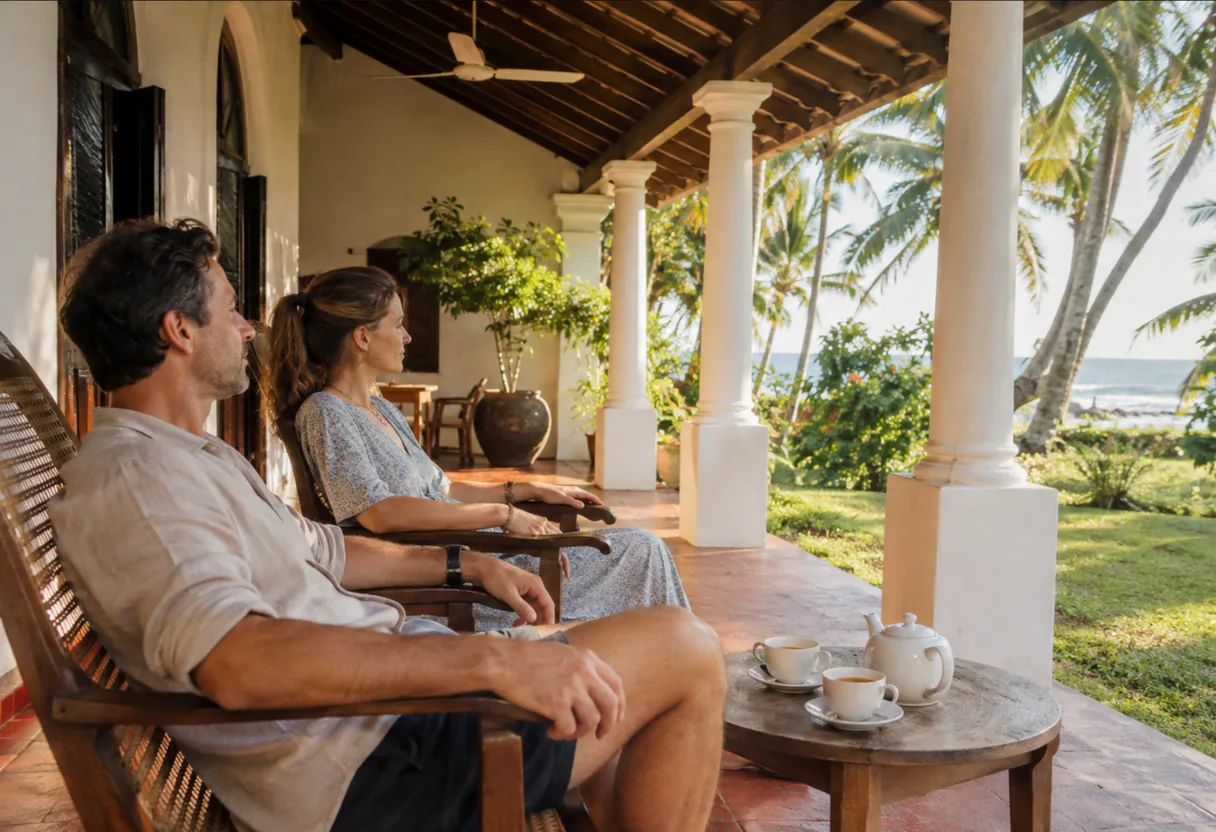
Retiring in Sri Lanka comfortably takes about $1,500 a month for one person and about $2,200 for a couple, and that buys a rented house near the beach or in the hills, help at home and plenty of meals out. A lean single budget can run near $600. The catch is the visa: the official My Dream Home retirement visa now accepts extensions only, so new arrivals start on a 30-day tourist ETA, free for US citizens.
Sri Lanka is a teardrop-shaped island off the southern tip of India, with a long palm-lined coast, cool tea country in the middle and a history layered with Portuguese, Dutch and British rule. International Living's 2026 Global Retirement Index ranked it first in the world for affordability, with 98 points, ahead of Vietnam and Thailand, as Ada Derana reported. Figures below were checked as of November 2026.
What a month costs in Sri Lanka
The raw numbers are startling. Livingcost.org (updated June 21, 2026) puts one person at $337 a month before rent and $563 with rent, as a national average. A one-bedroom apartment in a city center averages $307. By city, its all-in single figures are $683 for Colombo, $479 for Galle and $418 for Kandy.
Those averages describe local life: local food, a modest flat, buses. Most Americans spend more because they want air conditioning, imported groceries now and then, a house with a garden and a car with a driver. The Colombo newspaper Daily Mirror (February 18, 2026) cited expat accounts of couples living comfortably on about $2,200 a month, beachside villas renting for under $400, and a three-course dinner for two at about $50.
| Budget line (USD per month) | Single, comfortable | Couple, comfortable | Couple, "king's life" |
|---|---|---|---|
| Rent (house or villa) | $400 | $550 | $1,200 |
| Electricity (with air conditioning), water, internet, phones | $120 | $170 | $300 |
| Groceries and markets | $250 | $400 | $600 |
| Dining out | $200 | $350 | $700 |
| Housekeeper | $100 | $150 | $300 |
| Driver or tuk-tuks and trains | $120 | $180 | $500 |
| Health insurance and out-of-pocket care | $200 | $300 | $500 |
| Travel, fun, visa savings | $110 | $100 | $400 |
| Total | $1,500 | $2,200 | $4,500 |
These are our planning allowances, built to sit well above the livingcost.org averages and in line with the expat figure the Daily Mirror reported. Prices for help at home, drivers and villas vary a lot by town and season, so treat the table as a starting point and get local quotes once you arrive.
What the "king's life" looks like in Sri Lanka
Sri Lanka is one of the rare places where a normal US retirement income buys the kind of life that once came with a colonial pension. At around $4,500 a month for a couple, the picture looks like this:
- A restored bungalow or villa. Think a whitewashed house with deep verandas and a garden of frangipani near Galle, or a hillside home with a view over the tea estates around Kandy.
- A housekeeper who also cooks. Many expat households have help five or six days a week, often someone who makes rice and curry far better than you will.
- A car with a driver. Plenty of foreigners never drive here at all. A regular driver takes you to the market, the beach and the airport.
- Long weekends inland. The scenic train up to Ella, a stay at a tea-estate bungalow, a safari in Yala.
- Private care in Colombo when you need it, with insurance covering the big bills.
That same $4,500 would cover rent and not much else in many US coastal towns. If that comparison is what draws you, our list of the cheapest places to retire abroad puts Sri Lanka next to the other bargains.
Retiring in Sri Lanka: Galle, Kandy, Colombo and the south coast
| Place | Best for | Livingcost.org single, all-in | Trade-off |
|---|---|---|---|
| Galle and Galle Fort | Heritage houses, cafés, an expat crowd | $479 | Fort houses are scarce and pricey; tourist crowds in season |
| Unawatuna, Weligama, Mirissa | Beach life, surf, sea views | Not listed | Quieter in monsoon months; farther from big hospitals |
| Kandy and the hill country | Cooler air, tea estates, culture | $418 | Hilly roads, traffic in town, wetter weather |
| Colombo | Best hospitals, shopping, the airport | $683 | Hot, busy, the costliest place on the island |
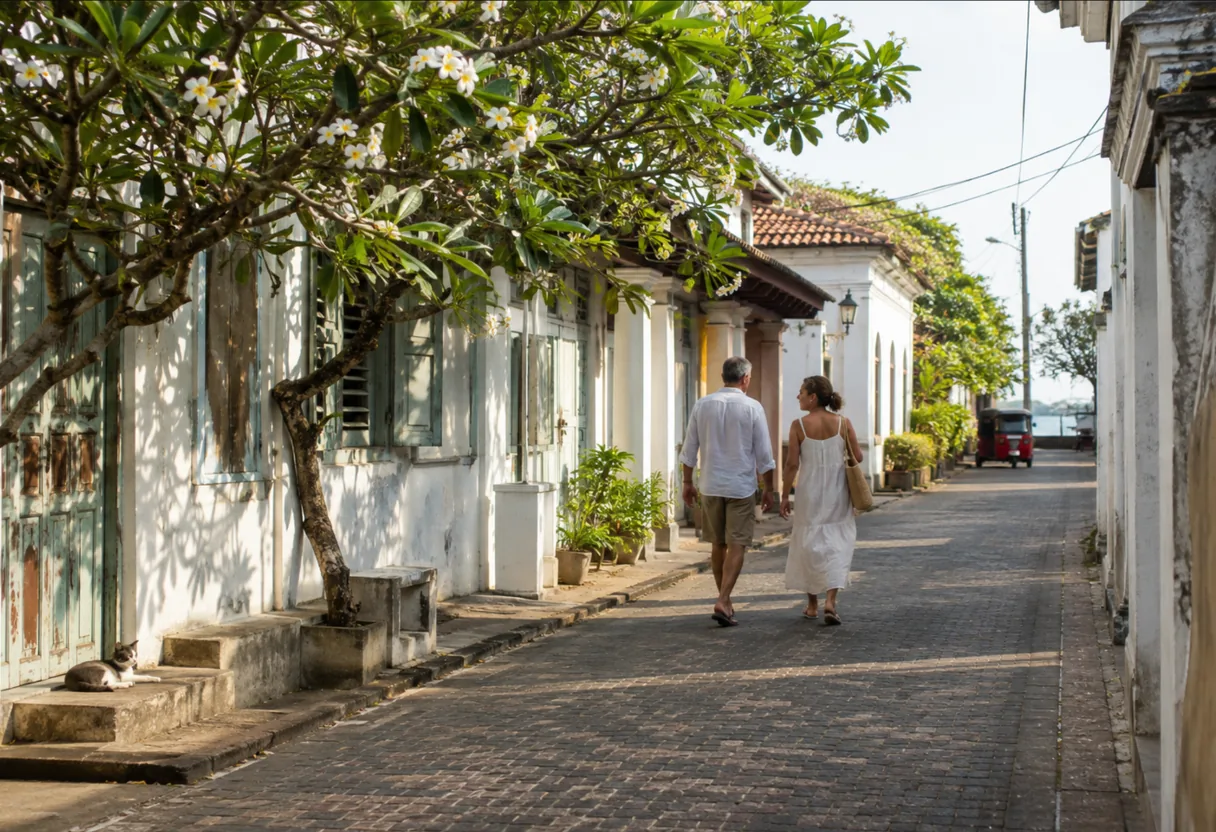
Galle is the classic choice. The walled fort, a UNESCO World Heritage Site, is full of Dutch-era streets, small galleries and restaurants, and the beaches of Unawatuna are minutes away. Kandy appeals if tropical heat wears you down: it sits in the hills, with greener views and cooler nights. Colombo is where you go for serious medical care, flights and big supermarkets, and some retirees split the year between Colombo and the coast.
Sri Lanka visa options for retirees: what is open to new arrivals
Sri Lanka's retirement scheme is the My Dream Home visa, run by the Department of Immigration and Emigration for "senior foreign nationals who wish to continue a prolonged stay in Sri Lanka on Residence." The important line is in its heading: "Extension only for the existing visa holders." As of November 2026, the Department's residence visa page lists My Dream Home and the Resident Guest Scheme as extension-only, so we cannot tell you that a new American applicant can get either one. Ask the Controller of Visas in Colombo before you plan around them. The terms that existing holders renew under are:
| Requirement | Amount or rule |
|---|---|
| Monthly income, main applicant | $1,500, remitted every month to an approved Sri Lankan bank |
| Each spouse or dependent child | $750 more per month |
| Fixed deposit | $15,000 in an approved foreign currency, held at an approved local bank |
| Length | Two years, renewable |
| Fee | $200 per year for each applicant, spouse and dependent child over 16 |
| Other conditions | Valid medical insurance for Sri Lanka, no paid or unpaid work, police clearance, half-yearly bank statements |
What a new American can do today is enter on the tourist ETA. The official ETA portal says that since May 25, 2026 nationals of 40 listed countries, including the United States, get a tourist visa free of charge for 30 days, with double entry allowed within that window. Staying longer means applying for an extension and paying the applicable fee; the portal does not list the amount, so check the Department's current fee schedule. The residence visa page also lists a Digital Nomad category, which is aimed at remote workers rather than retirees, and an Investor category. We could not confirm their terms from an official page, so verify them directly. For the money side, read our guide to collecting Social Security abroad first.
Healthcare and hospitals in Colombo
Sri Lanka has a free public health system, but most expats use private hospitals, and the best of them are in Colombo. Large private groups such as Asiri, Nawaloka and Lanka Hospitals run modern facilities there, and the Daily Mirror's 2026 report described Colombo's private hospitals as modern and reliable. Outside Colombo and Kandy, care is thinner, so a south-coast retiree should plan on a two-hour expressway drive for anything serious.
Medicare does not pay for care abroad. Most retirees carry an international health plan, keep Medicare Part B only if they expect to return to the US for treatment, and budget for some cash payments at private clinics. Valid medical insurance is also a stated condition of the My Dream Home visa. Talk to an insurance broker who covers South Asia before you commit; age limits and pre-existing conditions shape what you can buy.
Getting around without a car
Very few retirees drive in Sri Lanka. Traffic is chaotic, and the island drives on the left. Instead, people use:
- Tuk-tuks for short hops, now often booked through apps such as PickMe or Uber in the cities.
- Trains, including the famous hill-country line through Ella. The Daily Mirror notes that long-distance trains cost only a few dollars.
- A hired driver for airport runs and day trips, or full time if you can afford it.
- The Southern Expressway, which makes Colombo to Galle about a two-hour drive.
Safety, the economy and the honest trade-offs
Sri Lanka's 2022 crisis was severe: the government defaulted on its foreign debt, fuel and medicine ran short, and mass protests forced out the president. Since 2023 the country has worked under an IMF Extended Fund Facility, and the worst shortages have eased. Prices did not go back down, though. The Central Bank of Sri Lanka reported Colombo-based headline inflation of 8.3% for October 2026, up from 8.0% in September, and expects high single digits through early 2027, so build a cushion into your budget.
For a retiree with dollar income, the weak rupee has made life cheaper, but that cuts both ways if the currency swings again. Other things to weigh honestly:
- Distance. There are no direct flights to the US; plan on at least one connection through the Gulf or Asia.
- Weather. Two monsoon seasons hit different coasts at different times, and the lowlands stay hot and humid all year.
- Roads. Traffic accidents are a bigger daily risk than crime.
- Imported goods. Western brands, wine and cheese cost far more than local food.
- Politics. Check the US State Department's current advisory for Sri Lanka before you go, and register with the embassy when you arrive.
Skip Sri Lanka if you need world-class specialist care close to home, hate heat and humidity, or want to fly back to the US often. If you want Asia with a bigger expat scene and simpler logistics, compare it with Chiang Mai, Bali, Penang or Malaysia's MM2H program. Medicare will not follow you either; see does Medicare work overseas, and for budgets near $2,000 see the best countries to retire on $2,000 a month.
First steps: a short checklist
- Visit for a month in the dry season for your coast (December to April for the south and west).
- Rent before you buy anything; foreigners face limits on owning land.
- Price an international health plan that covers you at your age.
- Arrive on the free 30-day ETA, then ask the Department of Immigration and Emigration which long-stay option fits you before the 30 days run out.
- Keep a US bank and mailing address for Social Security and taxes, and see a tax pro who works with Americans abroad.
More bargains like this one are in our Live Better Abroad guides.